Recently, Lightstandard completed a new round of strategic financing, with investors being leading domestic internet companies. The two parties will cooperate on AI computing hardware.
Existing shareholders Zhongying Venture Capital and Xiaomiao Langcheng also continued to invest in this round, with Mushi Capital serving as the company's exclusive financial advisor. The funds raised will be used for continued investment in photonic AI computing hardware systems, server ecosystems, and software ecosystems, accelerating the commercialization of optical computing in artificial intelligence scenarios.
Unlike traditional chips, optical chips process information through optical technology rather than electrical signals. By relying on light as the transmission medium, optical chips offer higher transmission speeds, lower power consumption, and greater bandwidth.
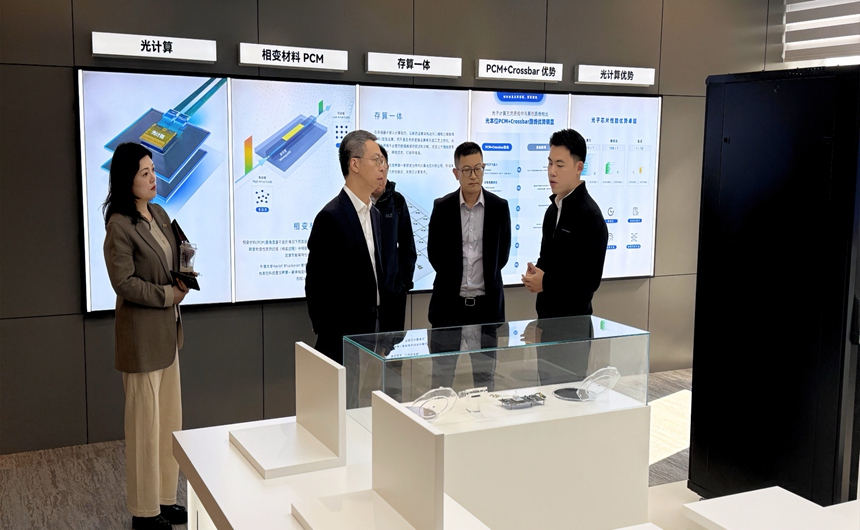
Lightstandard has chosen a special route in the technology roadmap of optical chips. Optical Computing adopts heterogeneous integration of silicon photonics and phase change materials and a unique Crossbar photonic matrix computing structure, becoming the first company to achieve in-memory computing integration of optical computing chips.
This technical approach has some inherent advantages: it is easier to make large-scale matrices due to the small unit size and high integration, and the low power consumption, low latency and high stability brought by in-memory computing.
The different technical approaches enabled Lightstandard to achieve the tape-out of optical computing chips early on, and the computing power density and accuracy of the chips have reached commercial standards.
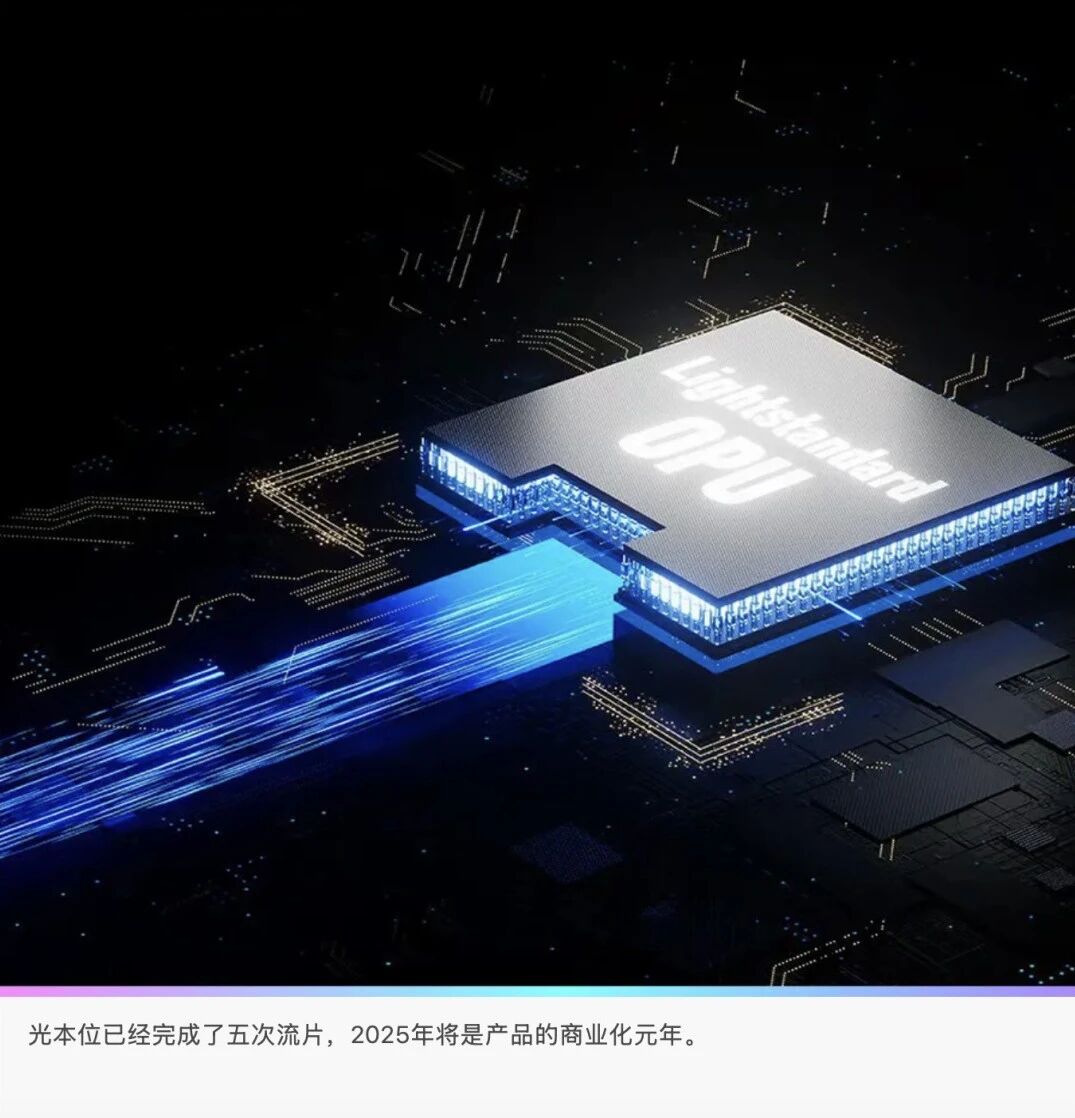
According to Xiong Yinjiang, co-founder of Lightstandard, the company has completed five tape-outs to date, and 2025 will be the first year of commercialization for the company's products.
"Introducing strategic investors at this time is a decision that looks ahead to the next 5-10 years of development, because technological advancement determines the starting point, while product practicality determines how far we can go."
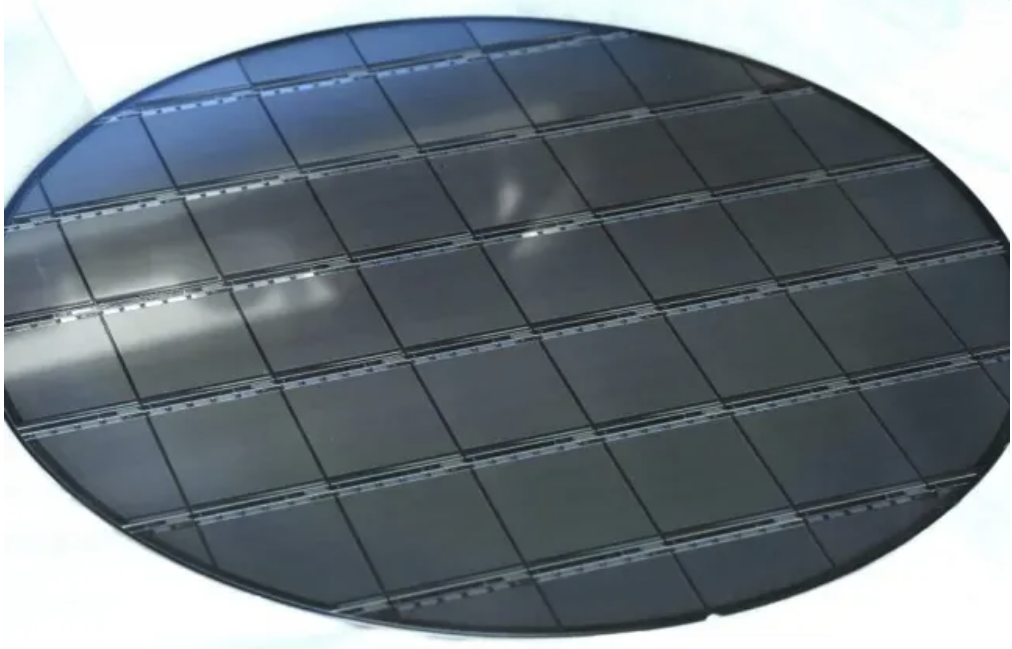
Real photos of optical computing wafers Lightstandard
The commercialization of optical computing products has attracted significant attention from governments, capital markets, and companies in the computing power ecosystem in recent years. From a market application perspective, in-memory optical computing chips are naturally suited for cloud-based AI inference and training scenarios, featuring high computing power and low power consumption.
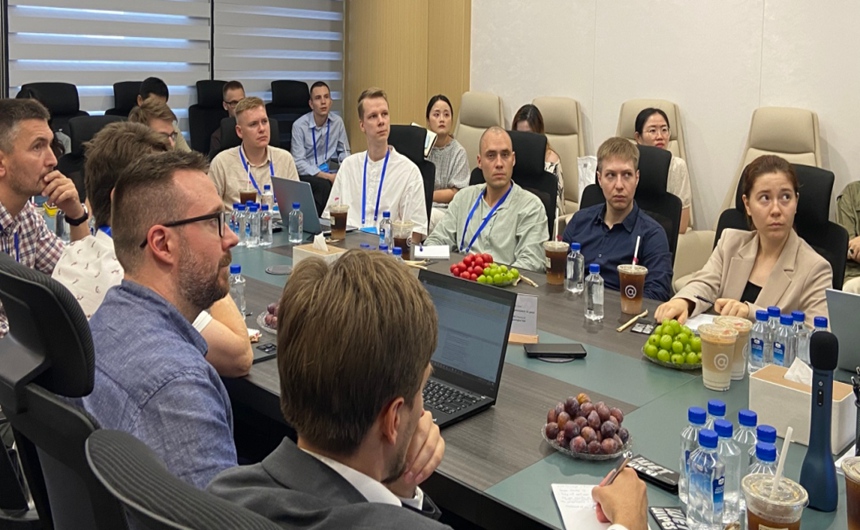
Xiong Yinjiang stated that in the field of general AI inference computing power, the company has reached cooperation intentions with AI computing power leasing platforms and intelligent computing centers led by local governments, and is currently conducting in-depth technical exchanges with internet industry players, including the strategic investors in this round. In the field of vertical applications, the company has carried out joint technical research with large-scale vertical model manufacturers, autonomous driving manufacturers, satellite manufacturers, and research institutes to explore the potential of photonic in-memory computing in various application scenarios.
Regarding the core team, Lightstandard's background consists of a founder born in the 1990s with a strong scientific research background, plus engineering executives born in the 1970s and 1980s with 10-20 years of experience.
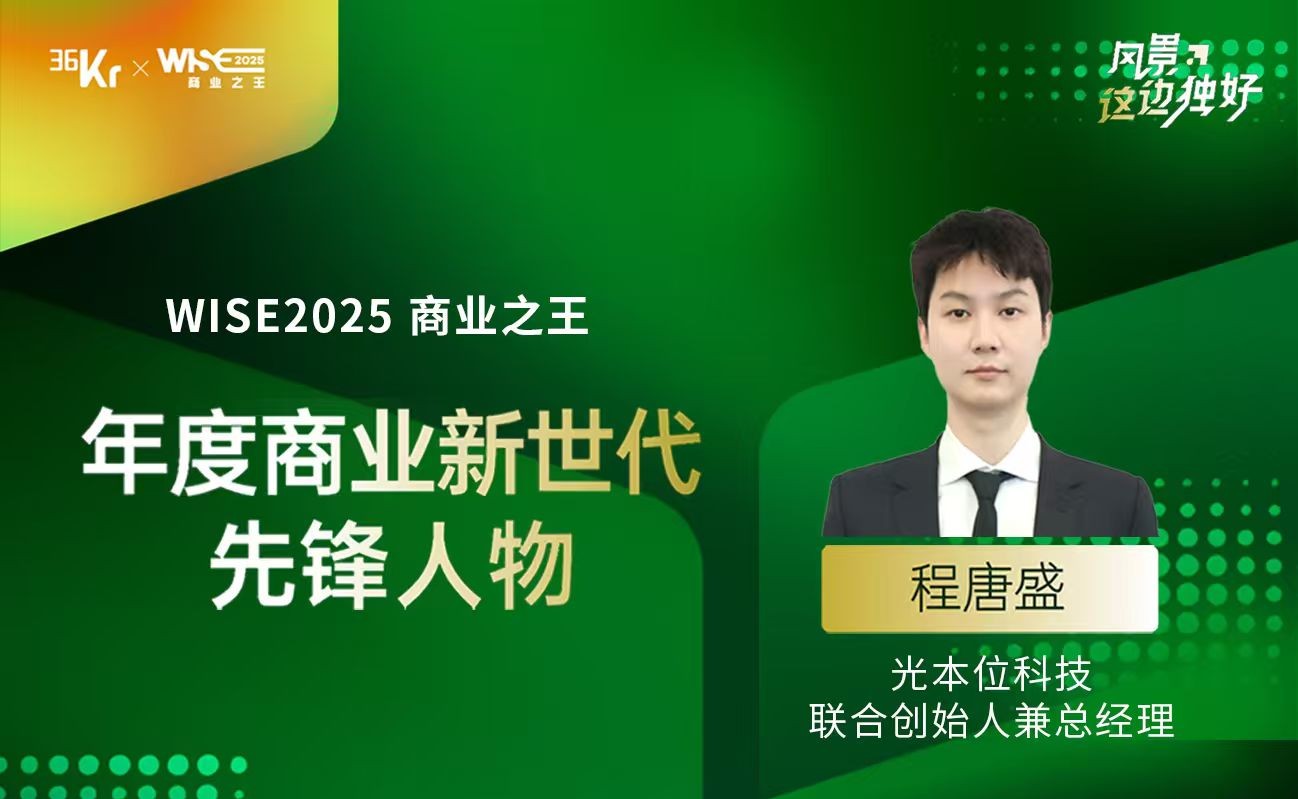
Among them, co-founder Cheng Tangsheng studied under Harish Bhaskaran, the world's leading expert in "photocomputing with phase change materials," a professor in the Department of Materials Science at Oxford University, and a Fellow of the Royal Academy of Engineering, and is responsible for R&D and engineering implementation. The engineering executives all have many years of experience in the industry and possess extensive expertise in R&D and industrialization.
Recommended News
Recommended News
Recommended News