


(Text by Qiu Xiaofen)
Cover image source: Company website
Against the backdrop of surging demand for AI computing power, domestic GPU manufacturers have recently submitted IPO prospectuses one after another. Echoing the wave of GPU listings, another new paradigm of AI computing based on light is also attracting much attention from investment institutions.
36Kr has learned that "Lightstandard", an in-memory computing chip company, completed a financing round in December 2024 led by Jinqiu Fund, with existing shareholders Mushi Capital, Xiaomiao Langcheng and Zhongying Venture Capital all participating in the oversubscription.
In June of this year, just six months later, "Lightstandard" disclosed the completion of a new round of financing, led by Dunhong Asset Management, with follow-on investments from state-owned funds such as Pudong Science and Technology Angel Fund of Funds, Suzhou Future Angel Industry Fund, and Zhangjiang Science and Technology Investment. Existing shareholder Zhongying Venture Capital also increased its investment, and Mushi Capital served as the exclusive financial advisor for the financing.
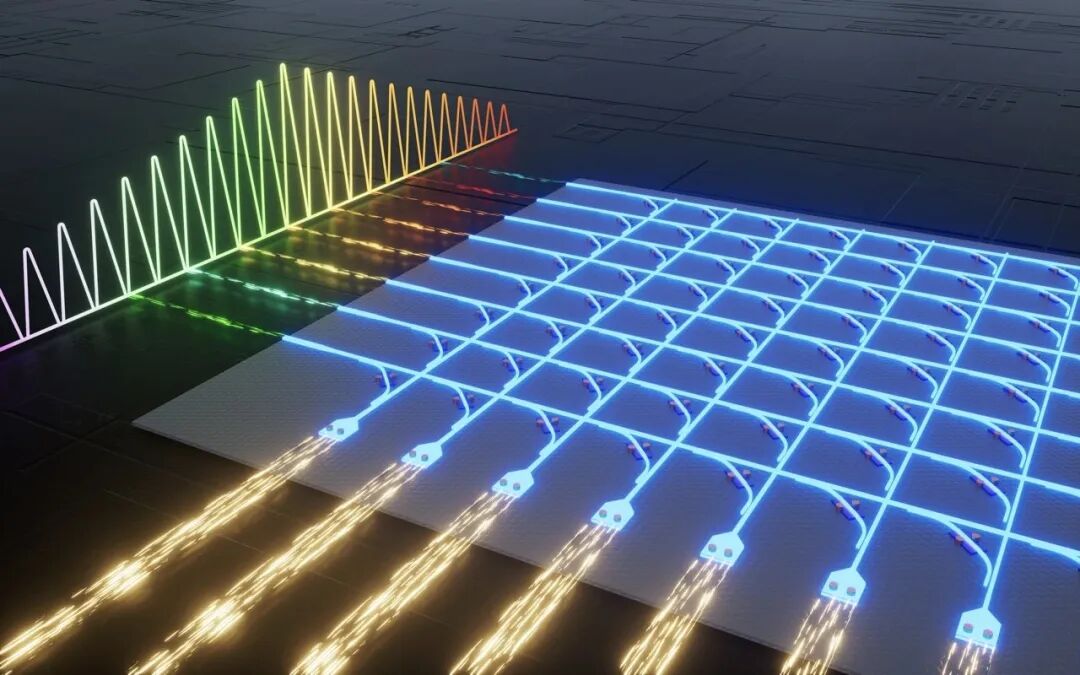
Crossbar technology roadmap demonstration
Founded in 2022, "Lightstandard" is the world's first company to commercialize optical chips by using silicon photonics and phase change materials (PCM) heterogeneous integration to achieve in-memory computing.
According to reports, this technical approach has the advantages of small unit size and low system power consumption, making it more suitable for large-scale AI computing scenarios. The "Lightstandard" approach can integrate matrices of 128*128, 256*256 or even larger onto a single chip, improving the integration level by more than 10 times compared to other technical solutions, thus enabling optical computing to be better implemented in large-scale model scenarios.
In terms of products, in June 2024, "Lightstandard" took the lead in the industry by completing the first optical computing chip product with computing power density and computing power accuracy reaching commercial standards. The matrix size is 128*128, breaking the industry's three-year-old matrix size ceiling of 64*64.
According to " Lightstandard ", the company is currently tape-out of a 256*256 optical computing chip and packaging and testing of the first-generation optoelectronic fusion computing card. A 512*512 optical computing chip is already in the design phase. In the future, the computing power of product systems based on this chip may far exceed that of the world's top products based on electrical chips.
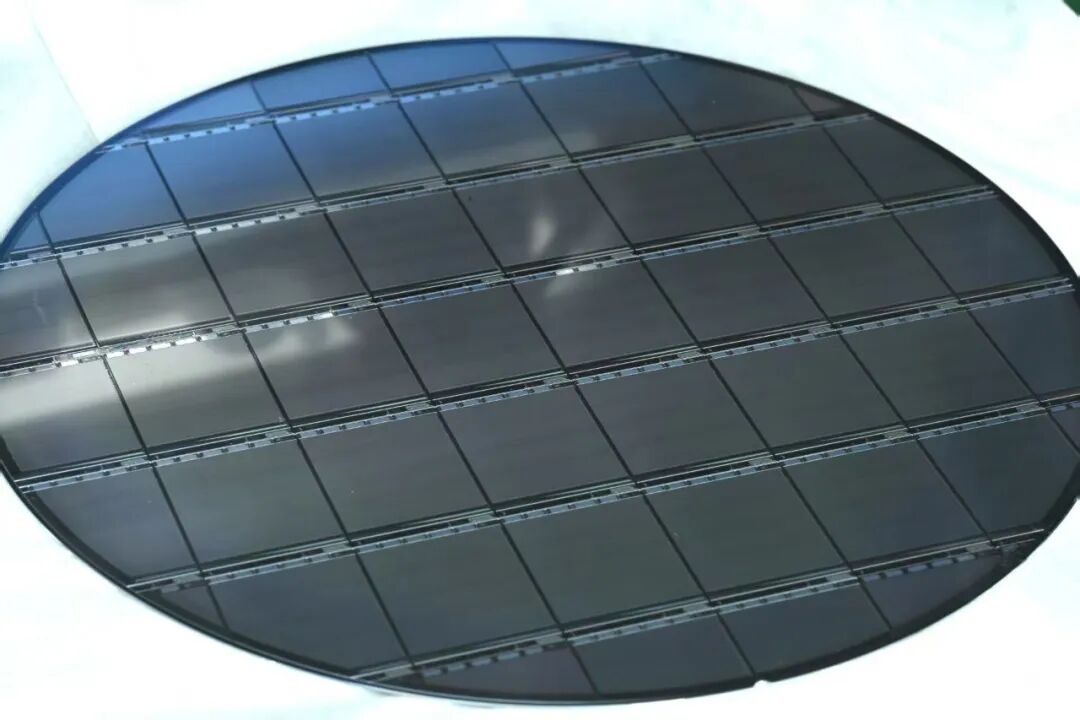
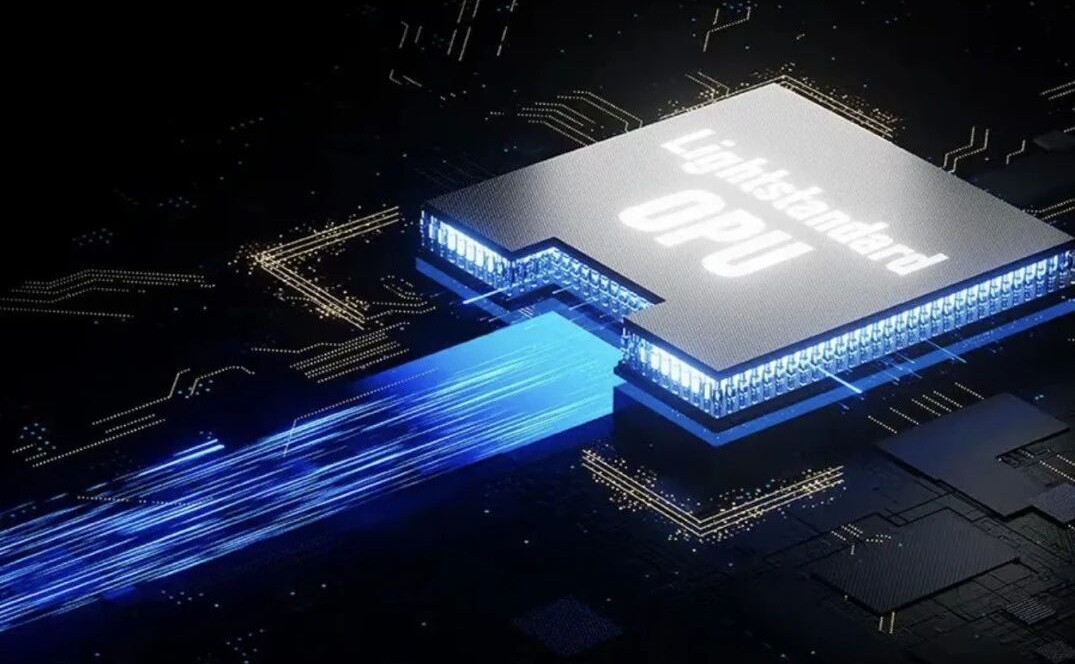
128*128 matrix-scale optical computing chip
On the commercialization front, in December 2024, the company established a strategic partnership with a leading domestic internet company, and the two parties carried out in-depth cooperation in AI computing hardware.
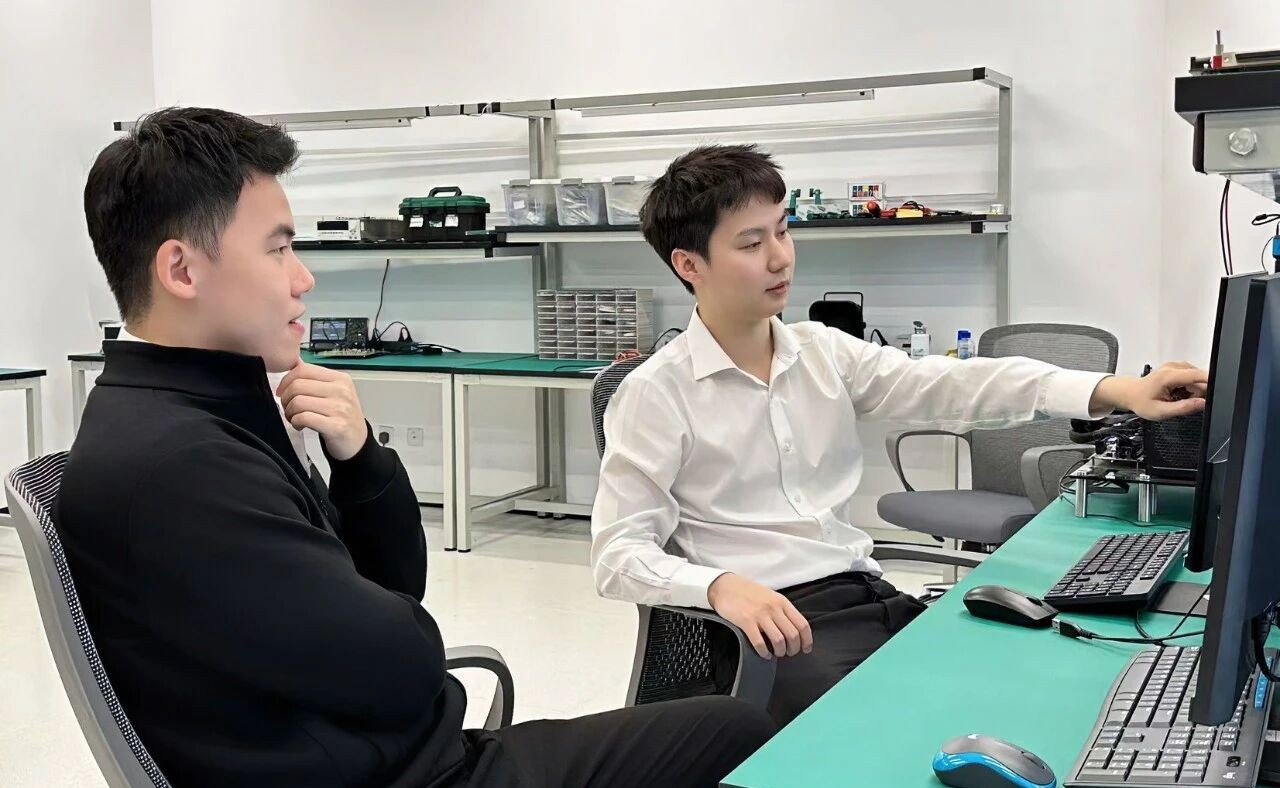
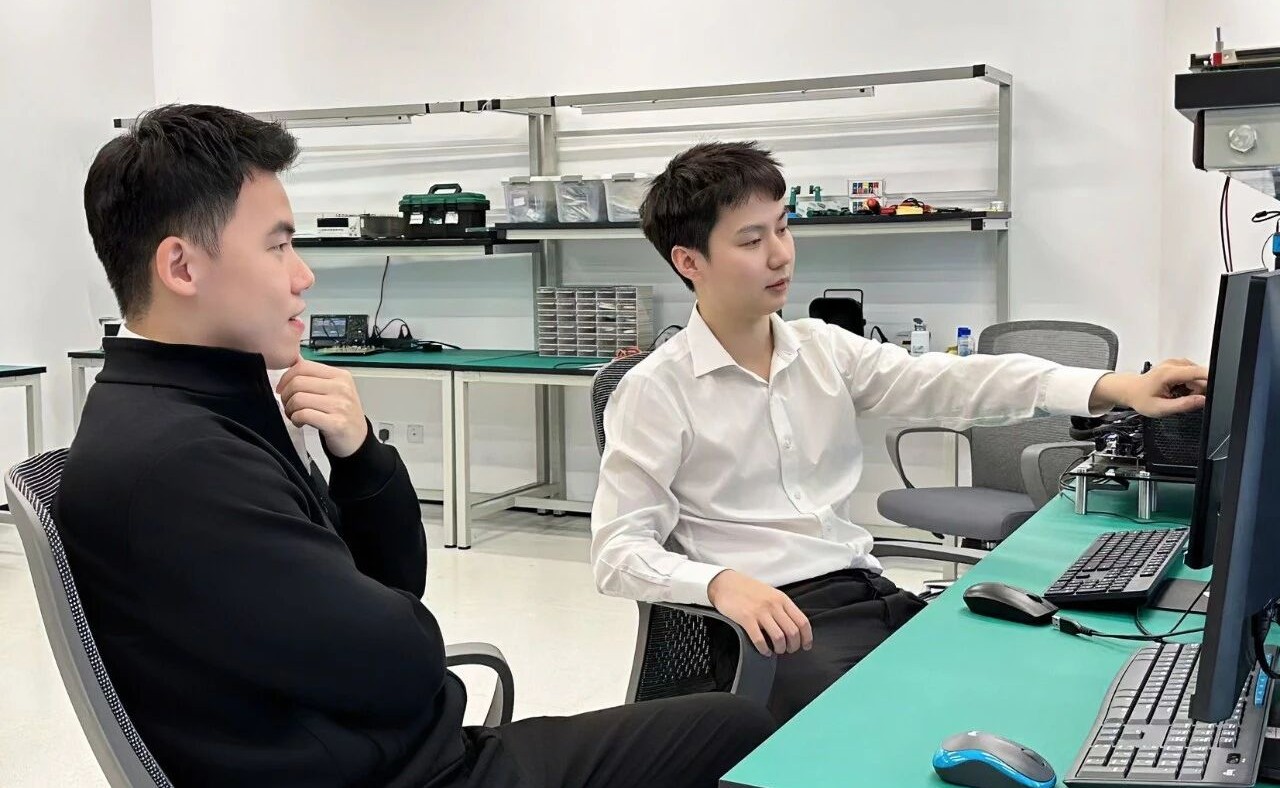
On the team side, the two founders of "Lightstandard," both born in the 1990s, graduated from Oxford University and the University of Chicago, respectively. Cheng Tangsheng, who is responsible for R&D and engineering implementation, studied under Professor Harish Bhaskaran, a Fellow of the Royal Academy of Engineering at Oxford University. Harish Bhaskaran is also the world's first professor to be awarded the title of Fellow for his research achievements in the field of optical computing. Xiong Yinjiang, who is responsible for the company's operations and commercialization, has experience in the engineering and commercialization of large-scale model algorithms and AI agents.
Xiong Yinjiang, founder of "Lightstandard", said that since its establishment, the company has been committed to providing new computing chips and system solutions for high-performance computing fields such as large models, scientific computing, and embodied intelligence. It has also gradually carried out joint exploration with core users in the target industry on product needs. In the future, it will provide high-performance computing and high-energy-efficiency products in different forms based on its self-developed photonic in-memory computing chips.
Investor Reviews
Zang Tianyu, Partner at Jinqiu Capital, stated: "Photonic computing, as a novel computing paradigm, is a crucial technological route to break through the traditional computing power bottlenecks of the post-Moore's Law era. It is of significant value in continuously driving improvements in model performance and reducing inference costs. Lightstandard was founded by young scientists from the Oxford Advanced Micro-Nano Engineering Laboratory, which pioneered an innovative technological path for modulating photonic computing with phase change materials and is one of the most influential teams in the global optical computing field. Leveraging years of technological accumulation from the laboratory, the Lightstandard team has achieved impressive preliminary results in promoting industrialization. Their pragmatic and efficient approach is also remarkable. As an innovative investment institution focused on AI, Jinqiu will continue to support fundamental technological innovations with long-term value and their industrialization."
Yu Wenchao, a partner at Dunhong Asset Management, stated that compared to traditional silicon-based electrical chips, optical chips possess significant advantages and represent the next generation of AI computing chips. As AI large-scale models and applications enter the stage of large-scale deployment, unprecedented demands are being placed on computing efficiency, presenting a genuine opportunity for the industrialization of optical computing. Industry leaders and model companies are actively adopting optical computing testing solutions, initiating application verification, and seeking innovative solutions to overcome existing computing power bottlenecks. After in-depth evaluation of various technical paths, the unique "PCM+Crossbar" approach of Lightstandard demonstrates the strongest potential for deployment and scalability, significantly improving AI inference speed and drastically reducing power consumption, directly addressing current industry pain points. He is optimistic that Lightstandard, leveraging China's strong optical industry foundation, will achieve a "leapfrog development" in high-performance computing power, leading the next generation of computing paradigm shifts.
Men Qingbing, General Manager of Pudong Venture Capital Group, stated: " Lightstandard focuses on the cutting-edge field of photonic computing, which is a key 'underlying supporting technology' in areas such as AI large-scale models. This aligns perfectly with the national strategic focus on 'computing infrastructure' and 'artificial intelligence infrastructure,' giving it significant strategic importance. Lightstandard boasts the world's only team that has successfully implemented optical computing chips based on phase change materials. Its high technological barriers and scarcity have created a positive upstream and downstream synergy with Pudong's integrated circuit industry. Pudong Venture Capital will continue to provide comprehensive support for the company's growth in Pudong."
He Kun, Deputy Secretary of the Party Committee and Vice President of Suzhou Venture Capital Group, stated: "AI computing applications such as large-scale model training and inference are driving the demand for intelligent computing center construction and computing power product upgrades. As a disruptive underlying technology, optical computing is expected to reshape the competitive landscape of the computing power market. We see the potential for rapid industrialization in the innovative technical solutions and efficient, pragmatic style of the Lightstandard team. Therefore, investing in Lightstandard is a strategic move by Suzhou Future Angel Industry Fund in the field of advanced computing."
Sun Weiqin, General Manager of Zhangjiang Science & Technology Investment Group, stated: "Lightstandard focuses on a new paradigm of AI computing based on light standards. This is not only an important route to solving the computing power bottleneck in the post-Moore's Law era, but also a crucial track for achieving 'leapfrog development.' We are optimistic about Lightstandard's young, highly efficient, and resilient team. On the long road of 'chasing light,' Zhangjiang will continue to support the company's growth through multiple dimensions, including venture capital, space provision, and industrial ecosystem support."
Wu Zhongfu, Chairman of Zhongying Venture Capital, stated that the optical computing industry has experienced rapid development in recent years, catalyzed by technological breakthroughs and the explosive growth of downstream applications. As a leading company in the optical computing field, Lightstandard's innovative optical computing chip adopts a Crossbar architecture based on phase change material modulation. Compared to traditional optical computing approaches, it is more competitive in terms of packaging difficulty, power consumption, latency, and stability, gaining recognition and deep cooperation from major clients. Zhongying Venture Capital proactively invested in Lightstandard from its early stages and has repeatedly increased its investment, demonstrating its strong confidence in Lightstandard's R&D capabilities and development prospects. The company is believed to redefine the AI chip market landscape in the future.
Recommended News
Recommended News
Recommended News