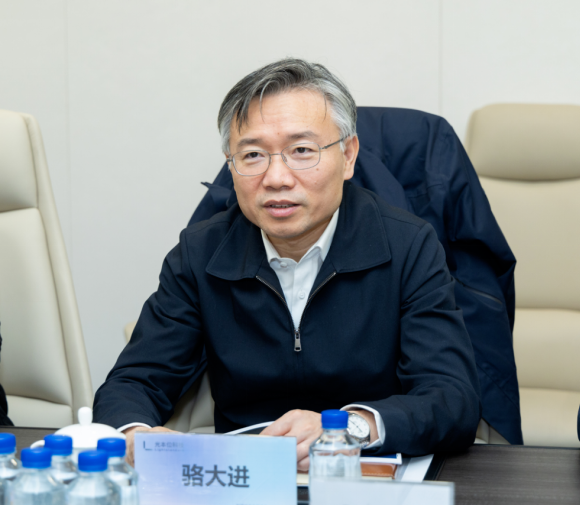
On the morning of January 17, Luo Dajin, Director of the Shanghai Science and Technology Commission, led a team to Lightstandard Intelligent Technology (Shanghai) Co., Ltd. (hereinafter referred to as "Lightstandard") to conduct research, learn about the company's technological innovation and product development, and hold a discussion with the company's leaders.
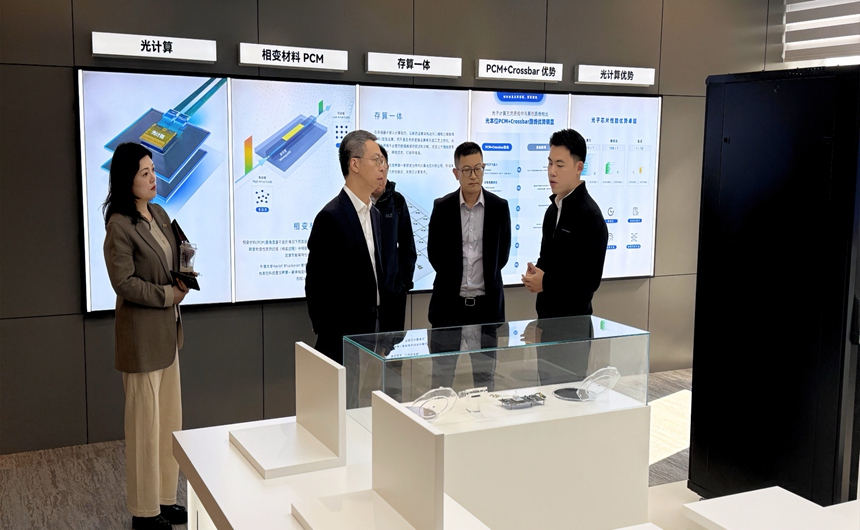
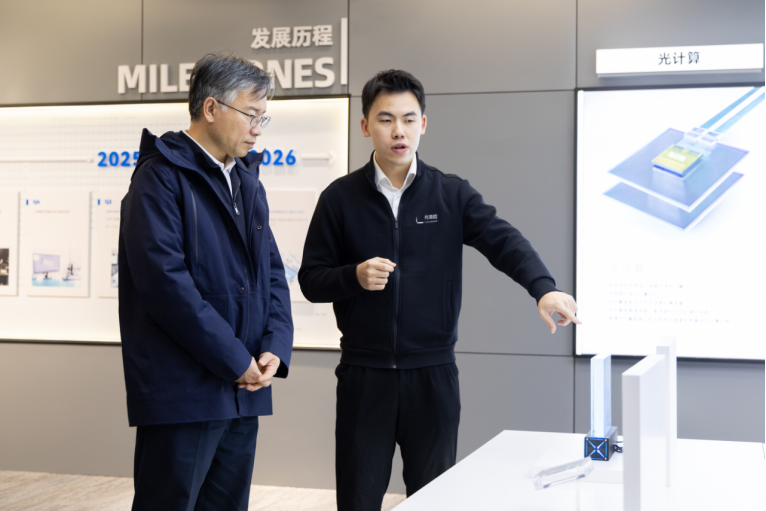
At the Lightstandard Exhibition Hall, Luo Dajin learned in detail about the company's development history, technology roadmap, and product planning, and inquired about the company's integration with the local innovation chain and industrial chain, as well as the development of its talent team.
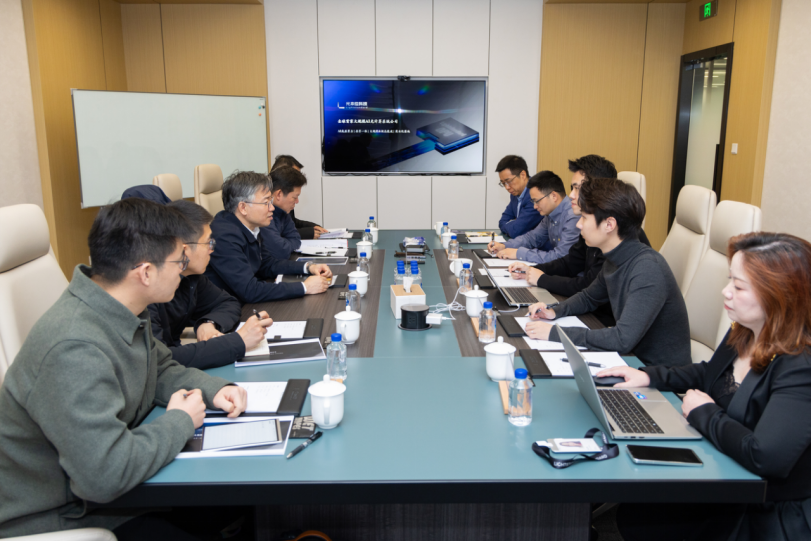
At the symposium, Luo Dajin pointed out that the current demand driven by artificial intelligence and the innovation and upgrading of integrated circuits bring dual empowerment opportunities to the silicon photonics industry. He stressed the need to accelerate the construction of an innovation ecosystem, fully unleash the capabilities of local manufacturing platforms, universities, research institutes, and talent teams, and empower enterprises to accelerate innovation. He also emphasized the need to accelerate the improvement of the technology system, focusing on weaknesses and pain points in the product implementation process, compiling a problem list, and collaborating with basic research teams to systematically solve problems from the source. Furthermore, he called for accelerating the commercialization process, coordinating with end-user application scenarios and upstream and downstream industries, and creating a comprehensive service system to provide solid support for enterprise development. Finally, he stressed the importance of actively fostering an innovative atmosphere, promoting in-depth exchanges among scientists, entrepreneurs, and investors, and driving the clustering of innovative enterprises in the field of optical computing.
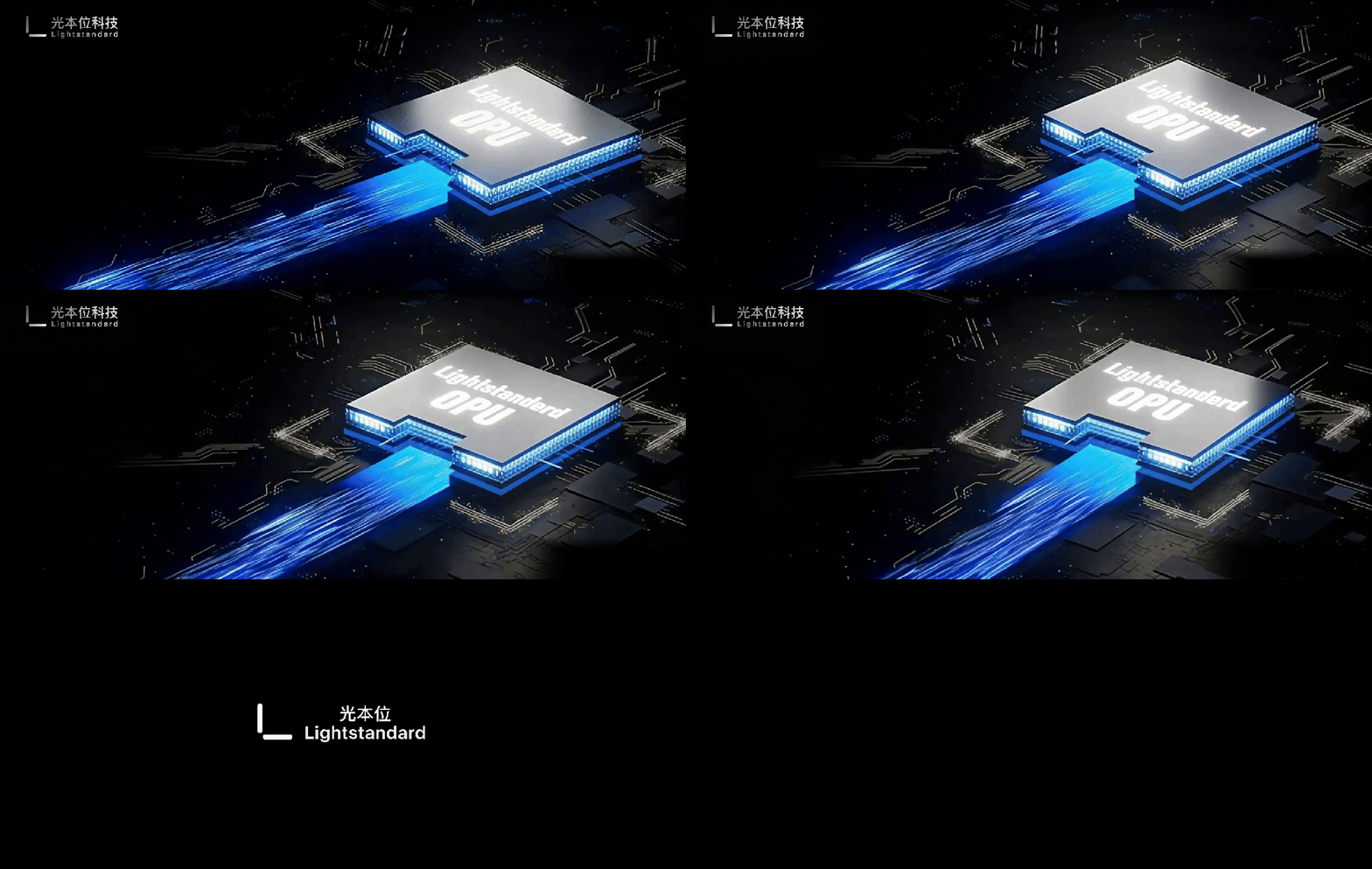
Lightstandard is a provider of optical computing solutions specializing in integrated in-memory computing for optical chips. It is committed to providing novel computing chips and system solutions for high-performance computing fields such as large-scale models and intelligent computing centers. The company effectively reduces the deployment and usage costs of computing power by developing photonic in-memory computing chips and optoelectronic fusion computing cards based on heterogeneous integration of silicon photonics and phase change materials. Currently, Lightstandard has released its first-generation optoelectronic fusion computing card based on a 128×128 optical computing chip, and is conducting application verification for customers in fields such as large-scale models, intelligent computing centers, and space computing. Simultaneously, it is conducting tape-out of a 256×256 optical computing chip and further exploring disruptive solutions for glass optical computing chips.
Officials from relevant departments of the Municipal Science and Technology Commission participated in the research and discussion.
Recommended News
Recommended News
Recommended News